Nova Scotia is home to various types of psilocybin mushrooms, drawing enthusiasts, researchers, and people seeking natural alternatives for mental wellness. This guide will cover identifying, locating, and safely enjoying these Nova Scotia Magic Mushroom Guide. We’ll also explore their therapeutic uses and legal options available in Canada.
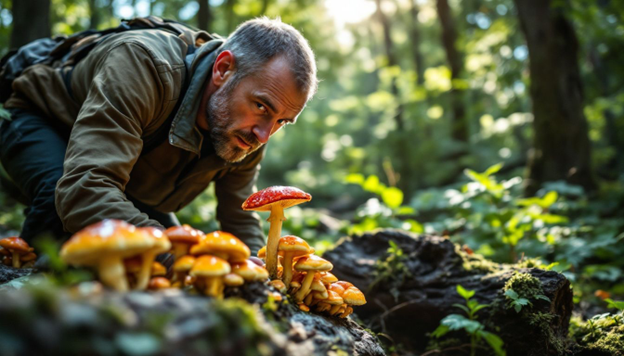
Identifying and Enjoying Psilocybin Fungi in Nova Scotia
Recognizing psilocybin mushrooms in the wild takes practice and a keen eye. Here are the key points to get started:
How to Identify Magic Mushrooms
To safely identify magic mushrooms, focus on these specific features:
1. Cap Shape and Color: Look for caps with a bell shape or rounded top, often in tan, brown, or yellow shades.
2. Gills: Magic mushroom gills are usually dark brown to purple.
3. Stems: Thin, often white or yellow, with potential bruising that turns blue, indicating psilocybin.
4. Spore Prints: A spore print can confirm the mushroom type, typically producing purple-brown spores.
5. Aroma: They often smell earthy, like damp hay or woodland.
Familiarize yourself with common types in Nova Scotia, such as Psilocybe semilanceata (Liberty Cap) and Psilocybe cyanescens (Wavy Cap), using field guides or local resources.
Where to Find Magic Mushrooms in Nova Scotia
Magic mushrooms thrive in damp, grassy areas, especially in fall after rainfall. Look in areas with decaying leaves or near certain tree species, such as birch and pine, which provide the right soil and moisture.
Joining a community like the Nova Scotia Mycological Society can improve your identification skills, providing tips on safe and sustainable foraging. They also emphasize respecting the environment and being cautious of look-alike species.
Tips for Safe Foraging and Consumption
• Know the Species: Learn to identify psilocybin species confidently.
• Use Multiple Resources: Use a combination of field guides, apps, and expert advice.
• Stay Clear of Polluted Areas: Mushrooms absorb toxins from soil and water.
• Gloves: Wear gloves when picking mushrooms to avoid contaminating the fungi or your skin.
• Start Small: Begin with a low dose if you’re new to psilocybin to gauge its effects.
• Safe Environment: For a first experience, choose a comfortable setting with a friend present.
• Avoid Alcohol or Other Drugs: Mixing substances can intensify or complicate the experience.
Potential Therapeutic Uses and Legal Access to Psilocybin in Canada
Psilocybin mushrooms have gained attention for their potential therapeutic uses, particularly for mental health. Canada is becoming a leader in exploring and legally offering these options through various programs and studies.
Clinical Trials with Psilocybin
Research shows promising results for psilocybin as an alternative treatment for conditions like depression, PTSD, and anxiety.
Clinical trials in Canada provide controlled settings where researchers monitor the effects and gather data on its impact on mental health. Participants in these trials report significant improvements in mood and well-being.
Health Canada’s Special Access Program (SAP)
The Special Access Program (SAP) allows eligible patients to use psilocybin under medical supervision, generally for individuals with serious or terminal illnesses. Healthcare providers can request psilocybin for patients who have exhausted conventional treatment options, making therapeutic psilocybin accessible through official channels.
Individual Subsection 56(1) Exemptions for Access to Psilocybin
This exemption allows Canadians to legally use psilocybin if they can show a medical need that has not been met by other treatments. Patients need a recommendation from a healthcare professional, and approval can take time, but it’s a significant step for those who could benefit from psilocybin therapy.
Nova Scotia Mycological Society’s Role
The Nova Scotia Mycological Society educates the public on the safe and responsible use of mushrooms, including those containing psilocybin. They organize events, workshops, and guided foraging sessions to improve identification skills and awareness of the mushroom ecosystem. By encouraging safe practices, the Society contributes to a community of educated and responsible foragers in Nova Scotia.
Exploring psilocybin mushrooms in Nova Scotia offers a unique blend of adventure, education, and potential wellness benefits. With the right knowledge, community support, and respect for nature, anyone can enjoy this fascinating journey safely.
